How Long Does Physical Therapy Take to Work for Common Injuries in Austin?
Being sidelined by an injury is one of the most frustrating experiences for an active adult or competitive athlete. Whether it is a sharp pain flaring up during a training run or a nagging shoulder limiting your performance in the gym, the question on your mind is rarely just "what is wrong?" It is "how quickly can I get back to doing what I love?"
Understanding realistic recovery timelines is one of the most valuable things you can do at the start of your rehabilitation journey. At Athletes' Edge Physical Therapy, the focus goes beyond basic pain relief. The goal is to get you back to your sport, your training, and your peak physical form.
Factors That Influence Your Recovery Timeline
There is no universal answer to how long physical therapy will take. Every athlete's body, injury history, and goals are different. That said, several key factors consistently shape how quickly progress happens.
- Injury severity: A mild muscle strain heals faster than a complex ligament tear or a post-surgical recovery. The extent of tissue damage directly affects how much time the body needs to repair and rebuild.
- Consistency and adherence: Attending sessions regularly and following your physical therapist's guidance between visits are non-negotiable for steady progress. Gaps in care almost always extend the recovery window.
- Individualized attention: Receiving dedicated, one-on-one time with your physical therapist during each session means your program is continuously adjusted to match where you are in recovery, which leads to more efficient outcomes.
- Overall health and lifestyle: Sleep, nutrition, stress levels, and activity outside of sessions all influence how well your body responds to treatment.
Typical Timelines for Common Injuries Treated in Austin
While individual recovery always varies, the following general timelines apply to some of the most common conditions treated at Athletes' Edge Physical Therapy, assuming consistent participation in a structured program.
Soft Tissue and Muscular Injuries
Hamstring strains, ankle sprains, and similar soft tissue injuries are among the most common complaints in active populations. For mild to moderate cases, meaningful improvement and a return to light activity often occur within two to four weeks. A full return to sport-specific movement typically takes six to twelve weeks. More severe soft tissue injuries may require three to six months as the tissue gradually regains strength and elasticity.
Tendon Injuries
Tendon injuries tend to be stubborn, particularly when they are chronic or overuse-related. Conditions like Achilles tendinopathy, IT band syndrome, runner's knee, and rotator cuff pain often require patience and a carefully progressed loading program. Initial pain relief may be noticeable within four to eight weeks, but true tendon remodeling and the strength needed to prevent recurrence typically take three to six months. Progressive loading is essential to ensure the tendon can handle the demands of explosive or repetitive movement.
Post-Surgical Rehabilitation
Post-surgical recovery, such as rehabilitation following an ACL injury or meniscus repair, follows the most structured timeline of all. Early phases focused on reducing swelling and restoring range of motion generally span four to eight weeks. Rebuilding strength and progressing toward return to running may take three to five months. A full, safe return to competitive sport often requires nine to twelve months or longer, depending on the sport and the benchmarks achieved during return-to-sport testing.
Spine and Shoulder Conditions
Conditions like low back pain, sciatica, neck pain, shoulder impingement, and frozen shoulder vary widely in their timelines. Acute episodes of back or neck pain often respond well within four to eight weeks of targeted care. Chronic or more complex shoulder conditions, particularly those involving the rotator cuff, may require three to six months of consistent rehabilitation to restore full function and strength.
What the Recovery Process Actually Looks Like
Understanding the phases of recovery helps set realistic expectations and keeps motivation high throughout the process.
Phase One: Pain Reduction and Protection
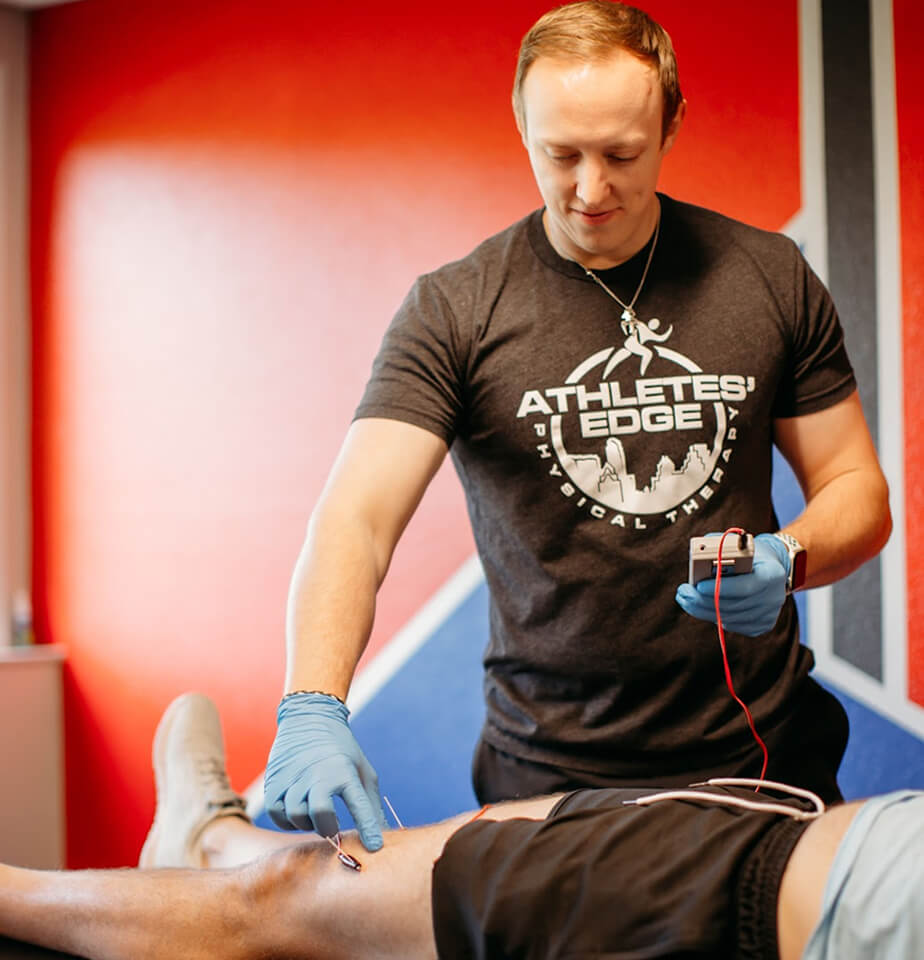
The earliest phase of physical therapy focuses on calming irritated tissue, reducing pain, and restoring basic movement. Manual therapy techniques such as joint mobilization, soft tissue mobilization, and dry needling are commonly used during this stage to address restrictions and support tissue healing. Electrical stimulation may also be incorporated to manage pain and support neuromuscular function.
Phase Two: Strength and Stability
Once pain is under control and movement is improving, the focus shifts to rebuilding strength and stability in the affected area and the surrounding structures. Therapeutic exercise, neuromuscular re-education, and blood flow restriction training are tools that support this phase, helping tissue adapt progressively without overloading it too soon.
Phase Three: Performance and Return to Sport
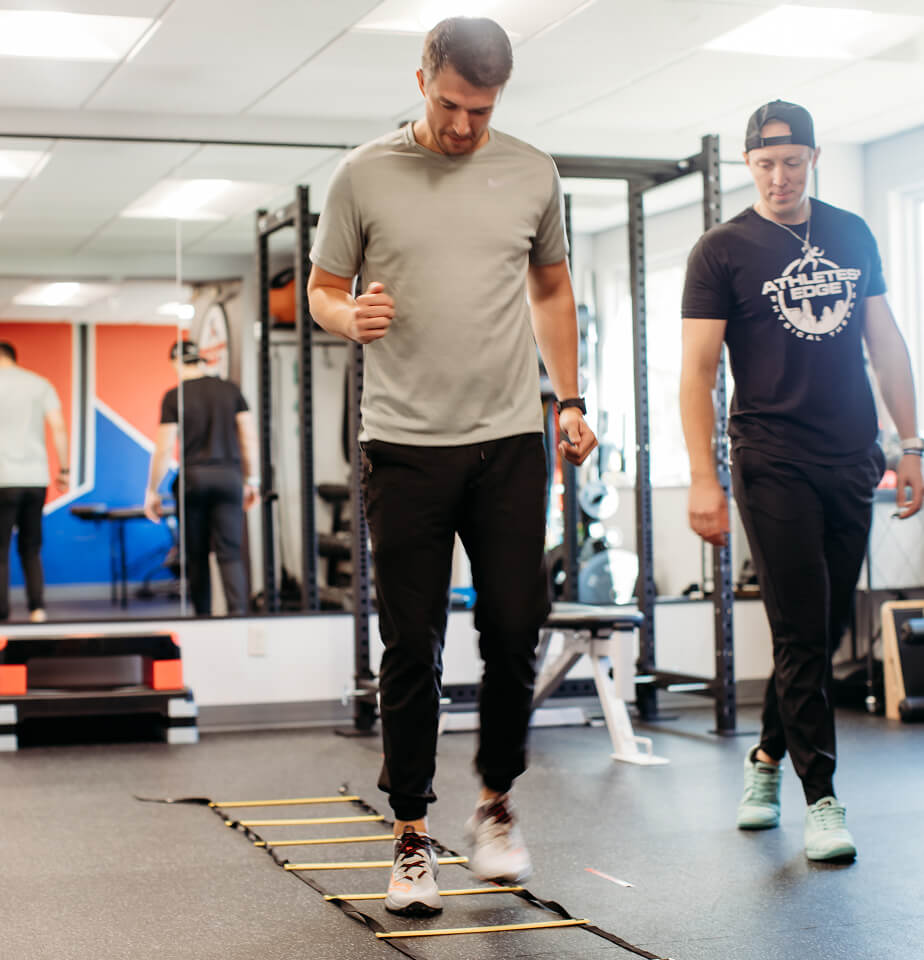
The final phase bridges rehabilitation and full athletic performance. This is where plyometrics, sport-specific progressions, and advanced movement work come into play. At Athletes' Edge Physical Therapy, tools like running gait analysis, force plate testing, and return-to-sport testing are used to objectively confirm that the body is ready to handle the demands of competition or high-level training.
Signs Your Physical Therapy Is Working
Pain reduction is often the first sign of progress, but it is not the only one. Look for these indicators that your recovery is on track:
- Improved range of motion: Movement in the injured area feels easier and less restricted during daily activities.
- Increased strength: Exercises feel more manageable, and you can progress to greater resistance or more repetitions without discomfort.
- Better balance and stability: Dynamic movements feel more controlled and confident, particularly during sport-specific drills.
- Improved movement quality: Your mechanics feel fluid and natural rather than guarded or compensatory.
- Hitting performance milestones: You are meeting the objective benchmarks set by your physical therapist, which signals that your body is adapting and preparing for full activity.
Getting Back to Your Best in Austin
Recovery is rarely a straight line, but with the right care and a clear plan, returning to the training and competition you love is absolutely achievable. At Athletes' Edge Physical Therapy in Austin, the approach is built around identifying the root cause of your limitation, not just managing symptoms, and progressing you through every phase of recovery with precision.
Whether you are working through a running injury, recovering from surgery, or managing a chronic overuse condition, a personalized program rooted in manual therapy, performance physical therapy, and evidence-based testing can make a meaningful difference in how quickly and completely you recover.
Ready to take the first step? Contact Athletes' Edge Physical Therapy today to schedule your initial evaluation and start building your path back to peak performance.