
Mobility vs. Flexibility: What’s the Difference and Why It Matters
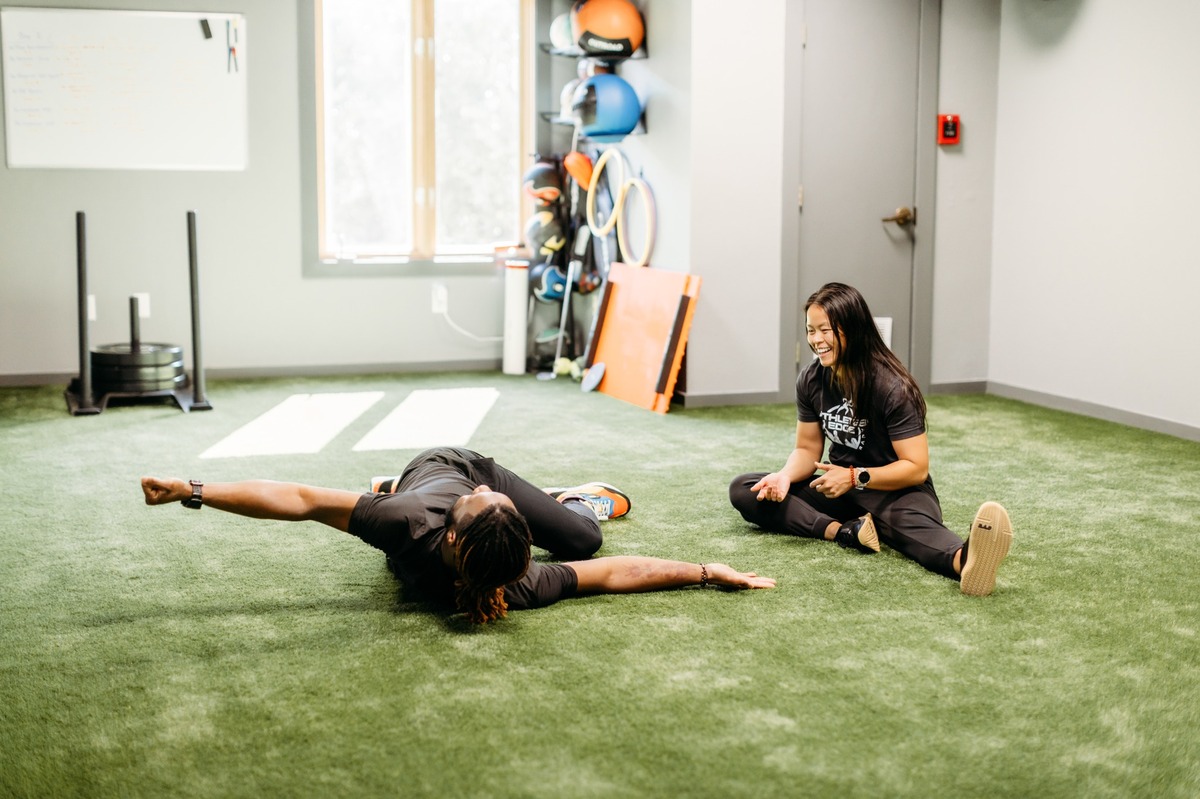
As a physical therapist, one of the most common misconceptions I see in both the clinic and the gym is the interchangeable use of the terms mobility and flexibility. While they’re closely related, they are not the same—and understanding the difference can dramatically improve your movement, performance, and injury prevention.
Flexibility: Passive Range of Motion
Flexibility refers to the ability of a muscle or muscle group to lengthen passively through a range of motion. Think of a hamstring stretch where you lie on your back and someone lifts your leg. That’s flexibility—how far a joint can move when an external force helps you.
Mobility: Active Control Through Range
Mobility, on the other hand, is the ability to move a joint actively through its full range of motion with control. It combines flexibility, strength, and motor control. For example, a deep bodyweight squat that you can get into and out of smoothly demonstrates hip, knee, and ankle mobility.
Why It Matters
You can be flexible but still have poor mobility. If you can touch your toes while lying down but can’t bend forward without rounding your spine or compensating elsewhere, you likely lack mobility. This matters because mobility is what we need for quality movement in daily life and sports—getting up from the floor, squatting, reaching overhead, or running efficiently.
Takeaway
Flexibility is a component of mobility, but mobility is what you need to move well. A well-rounded program should address both—stretching to maintain flexibility, and strengthening through full ranges to build true mobility.
If you're not sure where you stand, a movement screen with a qualified PT can help identify whether you need more flexibility, mobility, or both.