
Recognizing the Signs of Overtraining: A Physical Therapist’s Perspective
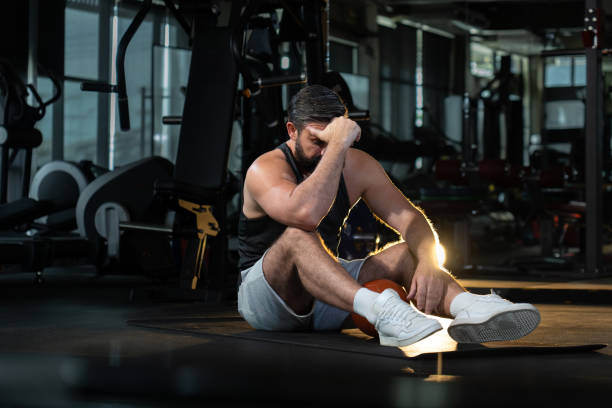
In the pursuit of athletic excellence or general fitness, it’s easy to fall into the mindset that more is always better. But as a physical therapist, I frequently see the consequences of pushing too hard without adequate recovery. Overtraining can derail progress, increase injury risk, and negatively affect overall health. Recognizing the early signs is key to long-term performance and well-being.
1. Persistent Fatigue
Feeling tired after a workout is normal. But if fatigue lingers for days or weeks, even with adequate sleep, it may be a sign your body isn’t recovering properly. Overtraining taxes the central nervous system, leading to a chronic lack of energy.
2. Decreased Performance
Ironically, training too much can lead to stagnation or even regression. If you're lifting less, running slower, or struggling with workouts that used to feel manageable, your body might be signaling the need for rest, not more intensity.
3. Increased Resting Heart Rate
A noticeable increase in your morning resting heart rate can be a physiological red flag. It indicates your body is under stress—whether from inadequate recovery, poor sleep, or systemic inflammation related to overtraining.
4. Chronic Muscle Soreness or Joint Pain
Some soreness is expected, especially after a tough session. But soreness that never seems to fade, or nagging joint pain, can point to tissue breakdown without sufficient time to repair—often the precursor to overuse injuries like tendinopathies or stress fractures.
5. Mood Disturbances
The brain and body are deeply connected. Overtraining can lead to mood swings, irritability, anxiety, and even depression. These changes often stem from hormonal imbalances, elevated cortisol, and poor sleep—all consequences of chronic overreaching.
6. Frequent Illness or Prolonged Recovery
Training hard suppresses the immune system temporarily. But when recovery is inadequate, that suppression becomes chronic. If you’re constantly battling colds or taking longer to bounce back from minor injuries, your immune and repair systems may be under too much strain.
Takeaway:
Overtraining isn’t a badge of honor—it’s a barrier to progress. As a physical therapist, I advocate for smarter, not harder, training. Recovery, sleep, nutrition, and load management are just as important as sets and reps. If you notice any of these signs, take a step back. Your future performance and long-term health depend on it.
Let your body adapt. Let your progress breathe. That’s how resilience is built.
By Dr. Justin Traxler, PT, DPT
Athletes' Edge Physical Therapy
Austin, Texas