
The Athlete’s Guide to Pelvic Floor Therapy: Regain Strength, Control, and Confidence
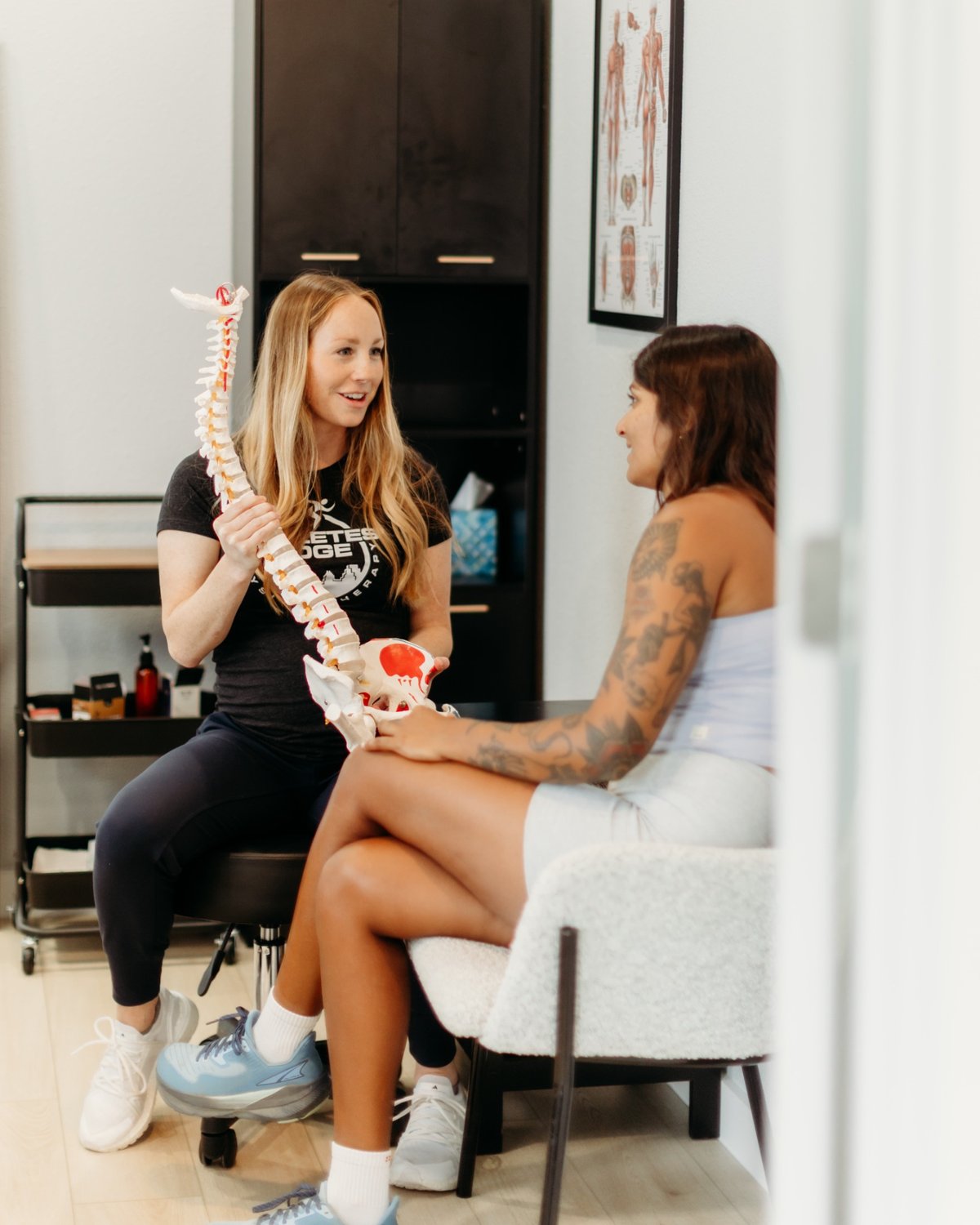
Pelvic floor therapy is a specialized form of physical therapy that focuses on restoring the strength, coordination, and mobility of the muscles at the base of the pelvis. These muscles play a critical role in stabilizing the core, supporting the spine and hips, and controlling bowel and bladder function.
Although commonly associated with postpartum recovery or general pelvic health, pelvic floor therapy is incredibly relevant for athletes—regardless of gender. Training at high intensities, heavy lifting, repetitive impact, and poor movement mechanics can all contribute to pelvic floor dysfunction. When these deep stabilizing muscles become overactive, underactive, or poorly coordinated, it can disrupt everything from your form and performance to your recovery and confidence.
At Athletes Edge Physical Therapy, pelvic floor therapy isn’t treated as an isolated specialty. It’s integrated directly into an athlete’s total movement system, helping restore balance, build core power, and eliminate symptoms that interfere with training.
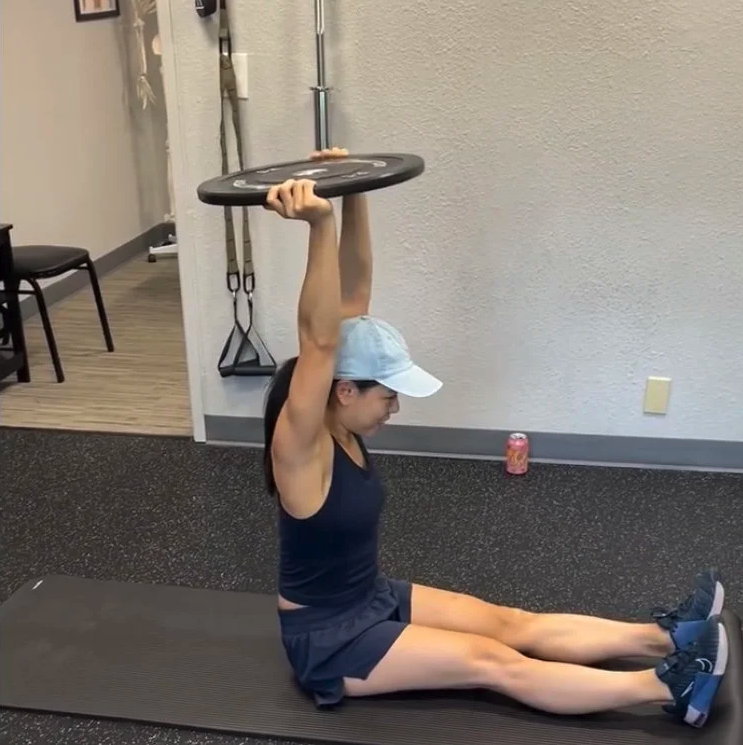
Why the Pelvic Floor Matters for Athletes
For athletes, pelvic floor function is more than a health issue—it’s a performance issue.
The pelvic floor works in partnership with your diaphragm, deep abdominals, and spinal stabilizers to maintain intra-abdominal pressure, stabilize your trunk, and transfer force efficiently. If one part of this system is off, your ability to jump, sprint, lift, or change direction suffers.
Here’s how the pelvic floor contributes to athletic performance:
- Core stability: The pelvic floor forms the base of the “core canister.” When activated properly, it helps generate and sustain force during dynamic movement.
- Spinal protection: These muscles help stabilize the lumbar spine under load and reduce compensatory movement patterns.
- Impact management: A functional pelvic floor helps absorb ground forces during running and jumping.
- Breathing mechanics: The pelvic floor works in rhythm with the diaphragm during breathing, which is essential for endurance and bracing strategies.
In high-performance settings, even small breakdowns in this system can result in significant dysfunction. Tight hips, chronic low back pain, or a weak “core” may not be muscular problems—they might be signs of pelvic floor involvement.
Signs Your Pelvic Floor May Need Support
Many athletes dealing with pelvic floor dysfunction don’t even realize it. The symptoms can be subtle, dismissed, or misattributed to other injuries or muscle imbalances.
Here are some common signs your pelvic floor may be contributing to pain or underperformance:
- Urinary leakage during workouts, especially with jumping or running
- Hip or groin pain that doesn’t improve with traditional treatment
- Core weakness or difficulty stabilizing during lifts
- Pelvic pressure, heaviness, or a “falling out” sensation
- Low back pain that flares during high-intensity movement
- Pain during or after sexual activity
- Reduced endurance or a sense of “disconnect” from core engagement
These signs are more common than most athletes think—and they are treatable. Pelvic floor therapy offers a clear path forward.
How Pelvic Floor Dysfunction Affects Athletic Performance
When the pelvic floor isn’t functioning well, athletes often find themselves hitting plateaus, compensating with other muscle groups, or modifying movement just to “get through” a workout.
These dysfunctions lead to:
- Reduced power output: If the core can’t fully activate, the entire kinetic chain weakens.
- Inefficient movement patterns: Compensation in the hips, glutes, or low back increases injury risk.
- Loss of confidence: Many athletes push through symptoms like leaking or pressure, but this can impact mental focus and training intensity.
- Delayed recovery: A weak pelvic floor affects recovery post-training or post-surgery, especially in high-impact sports.
Without proper intervention, these patterns continue to wear down the body—making injury more likely and performance less consistent.
What to Expect During Pelvic Floor Therapy at Athletes Edge PT
At Athletes Edge Physical Therapy in Austin, pelvic floor care is integrated into a comprehensive, athlete-specific plan of care. We take a respectful, private, and individualized approach—always grounded in your goals and comfort.
Here’s what a typical experience looks like:
- Initial Evaluation:
Your therapist performs a movement assessment, reviews your training history, and screens for signs of pelvic floor dysfunction. Depending on your comfort and needs, this may include internal or external exams. - Goal Setting:
Whether your goal is leak-free running, returning to competition, or resolving chronic pain, your plan is built around what matters most to you. - Therapeutic Interventions:
Treatment may include pelvic floor muscle re-education, manual therapy, breathwork, postural adjustments, and functional strength exercises. - Progressive Integration:
As you gain control and strength, exercises are progressed to mimic your sport-specific demands—running, lifting, or high-impact drills. - Ongoing Support:
You'll receive guidance on managing symptoms, modifying training temporarily, and transitioning back to full intensity without restrictions.
You’re never alone in the process. Our therapists are here to coach you every step of the way—empowering you with the knowledge and tools to take ownership of your body again.
Pelvic Floor Therapy for Male and Female Athletes
While pelvic health is often framed as a women’s health issue, male athletes also experience pelvic floor dysfunction—and often go undiagnosed.
Common issues for male athletes include:
- Groin or testicular pain
- Tailbone pain
- Urinary urgency or frequency
- Pelvic tension from prolonged heavy lifting
- Erectile or sexual dysfunction related to muscular imbalance
For female athletes, symptoms often surface around:
- Postpartum return to sport
- High-impact training with incontinence
- Pain with core engagement
- Pelvic organ prolapse
At Athletes Edge PT, we provide inclusive pelvic floor care for all athletes—regardless of gender identity. Every plan is individualized, private, and performed by clinicians with specialized training in pelvic health for high-performing individuals.
The Role of Breathwork, Core Integration, and Strength Training
Pelvic floor therapy isn’t about Kegels in isolation. It’s about restoring functional movement across your whole body.
That’s why treatment often includes:
- Diaphragmatic breathing to retrain pressure systems
- Neuromuscular re-education to improve coordination between core and pelvic muscles
- Strength work for glutes, hips, and transverse abdominals
- Mobility exercises to reduce compensatory tension in surrounding muscles
We don’t separate your pelvic floor from your sport—we integrate it into your movement strategy, so you can train smarter, recover better, and perform at your best.
Recovery, Progress, and Returning to Sport
Athletes are goal-oriented—and pelvic floor therapy supports that mindset. Our programs are built around measurable milestones and clear return-to-sport criteria.
Most athletes begin noticing changes within 2–4 weeks, depending on severity and consistency. Full return to unrestricted activity typically occurs within 8–12 weeks—but that varies based on individual goals and sport demands.
You’ll leave with:
- A stronger, more stable core system
- Tools to manage pressure and load
- Confidence in your body again—without fear of pain or leakage
Why Athletes in Austin Trust Athletes Edge Physical Therapy
Athletes Edge PT isn’t a general rehab clinic—we specialize in helping athletes move better, recover faster, and return stronger.
What sets us apart:
- Clinicians with sports and pelvic floor expertise
- Tailored plans for runners, lifters, CrossFit athletes, and active adults
- Private, one-on-one treatment sessions in a performance-focused setting
- Deep roots in the Austin athletic community
If you’re dealing with pelvic symptoms that are limiting your performance or peace of mind, don’t wait. We help athletes across Austin recover stronger with pelvic floor physical therapy. Pelvic floor therapy can change the way you train, move, and feel—in the gym, on the field, and in your everyday life.